
How Interactive Games Are Shaping Modern Digital Entertainment

By Hannah Emerson
Last Updated May 27, 2026
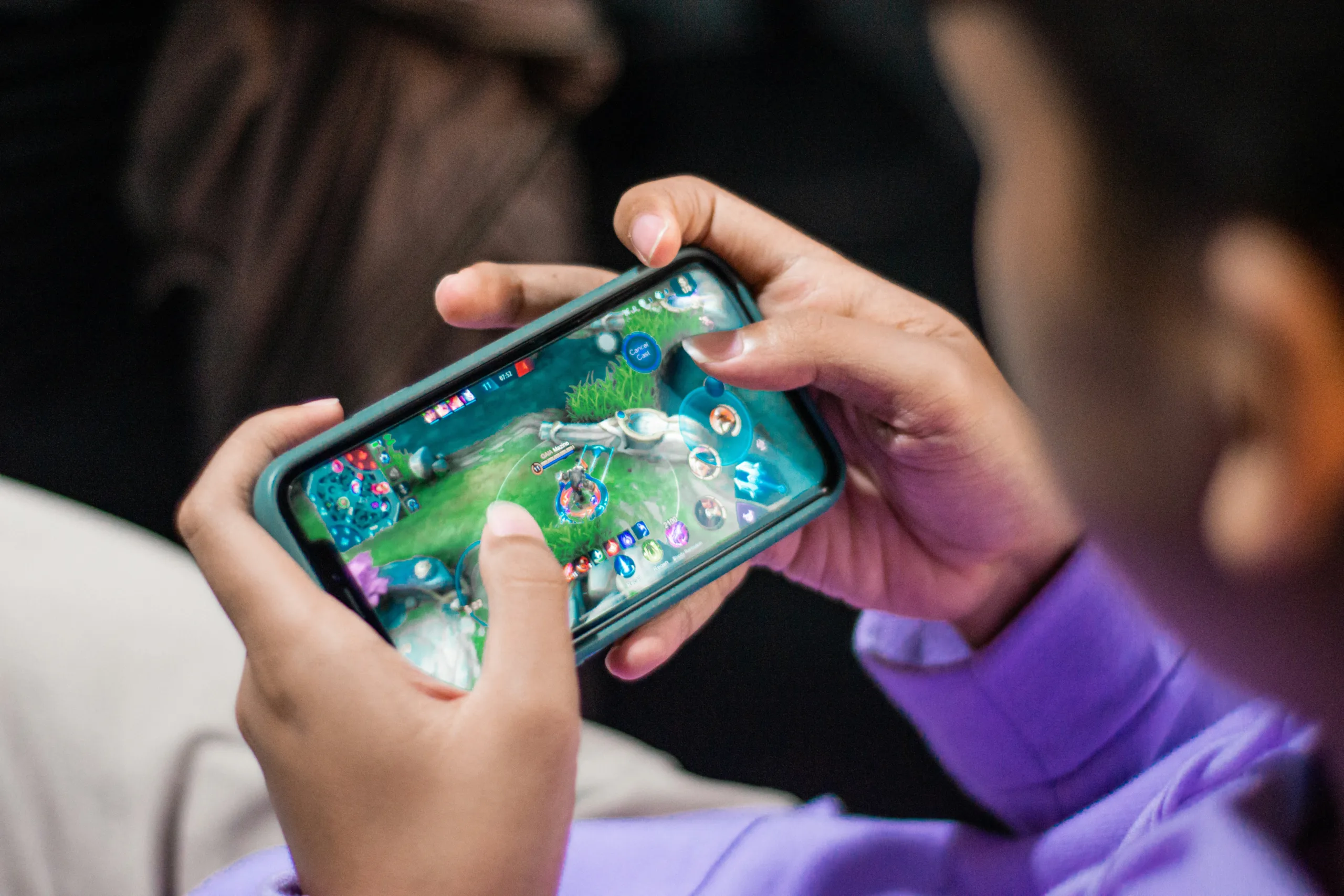
Digital entertainment has changed dramatically over the last decade. Audiences no longer want experiences that simply present content to them. Increasingly, they expect systems that respond instantly, adapt to their actions, and create a stronger sense of participation throughout the experience.
Interactive games sit at the center of this shift. Instead of passive viewing, these experiences encourage continuous involvement through movement, decision-making, visual feedback, and responsive mechanics. This creates a stronger connection between the user and the platform, making engagement feel more active and personal.
As entertainment habits continue evolving, interactivity has become one of the defining features shaping how people engage with digital experiences. From mobile gaming to responsive design systems, interactive formats continue influencing how modern entertainment is experienced across multiple platforms.
Real-Time Interaction Changes How Audiences Engage
Real-time interaction has changed the way people experience digital entertainment. Instead of waiting for static content to unfold, audiences now engage with systems that react immediately to their actions. This creates a stronger sense of involvement throughout the experience.
Instant feedback plays an important role in maintaining attention. Visual responses, movement, sound effects, and rapid transitions all contribute to experiences that feel active rather than passive. Each interaction creates an immediate reaction, which keeps engagement moving continuously.
This responsiveness also changes how users emotionally connect with digital platforms. Instead of observing from a distance, audiences feel directly connected to what is happening on screen. The experience becomes more immersive because actions and outcomes remain closely linked.
As a result, interactive formats often feel more dynamic than traditional entertainment models. They encourage participation rather than observation, which aligns closely with how modern audiences prefer to engage with digital content.
Interactive Design Keeps Digital Experiences Engaging
Interactive design strongly influences how long audiences remain engaged with digital experiences. Smooth transitions, responsive interfaces, and visually active systems all contribute to environments that feel energetic and immersive from the beginning.
Pacing is especially important in this process. Games that maintain steady movement and immediate interaction tend to hold attention more effectively because there are fewer pauses between actions and responses. This creates a rhythm that feels continuous without becoming overwhelming.
This type of responsive design can also be seen in online casino titles like the Piggy Power slot game, where visual feedback, pacing, and interactive elements work together to maintain player attention throughout each session. These systems create engagement by constantly reinforcing interaction through movement and responsiveness.
Presentation also contributes heavily to immersion. Coordinated animations, sound design, and visual transitions help create experiences that feel polished and complete. When these elements work together smoothly, digital entertainment becomes more engaging on both a visual and interactive level.
Personalization Makes Entertainment Feel More Adaptive
Personalization has become one of the most noticeable developments in digital entertainment. Modern platforms increasingly adapt experiences based on user behavior, preferences, and interaction patterns, creating systems that feel more tailored to individual audiences.
This adaptability changes how users connect with entertainment over time. Recommendations, interface adjustments, and personalized content flows reduce friction by helping audiences discover experiences that already align with their interests. The result feels smoother and more intuitive.
Interactive games benefit particularly well from this approach because player behavior naturally generates continuous feedback. Systems can respond by adjusting pacing, highlighting preferred content, or organizing experiences in ways that feel more relevant to individual users.
This creates a stronger sense of continuity between sessions. Instead of restarting from the same point each time, audiences return to experiences that already feel familiar and responsive to how they interact with the platform overall.
Accessibility Expands How People Interact With Games
Accessibility has dramatically expanded the reach of interactive entertainment. Mobile compatibility, cloud-based systems, and faster interfaces allow users to engage with games across different environments without needing specialized setups or long preparation times.
This flexibility changes how entertainment fits into daily life. Players can interact with digital experiences during short breaks, while traveling, or during longer periods of downtime, depending on their schedule. Interactive entertainment becomes easier to integrate into existing routines.
Cross-platform functionality also strengthens engagement. Users increasingly expect experiences to transition smoothly between devices while maintaining consistent interaction quality. This continuity makes digital entertainment feel more connected and adaptable across different situations.
As accessibility improves, interactive gaming becomes available to wider audiences with different habits and preferences. The easier these experiences are to access, the more naturally they fit into modern entertainment behavior overall.
Community Features Make Interactive Entertainment Feel More Social
Interactive entertainment is no longer built entirely around solo experiences. Many modern platforms now include social features that allow users to engage with others while participating in digital activities. This creates a stronger sense of connection within entertainment spaces.
Several features contribute to this more social style of interaction:
- Live chats that allow users to communicate during gameplay,
- Shared events that encourage group participation,
- Multiplayer systems that create collaborative or competitive experiences,
- Real-time reactions and updates that make interactions feel immediate.
These social layers help maintain engagement because they introduce unpredictability and shared participation. Conversations, reactions, and collaborative interaction create environments that feel more alive than isolated single-user experiences.
As digital entertainment continues evolving, community interaction is becoming increasingly important. Audiences are often drawn toward experiences that combine responsive gameplay with opportunities for connection, discussion, and shared participation.
Why Interactive Entertainment Continues to Evolve
Interactive entertainment continues evolving because audience expectations continue changing alongside technology itself. Users increasingly look for experiences that feel responsive, visually engaging, and actively connected to their participation rather than simply presenting static content.
Real-time interaction, adaptive systems, accessibility, and social engagement all contribute to this shift. Modern audiences expect entertainment to feel flexible, immersive, and responsive across different devices and environments, which continues pushing interactive formats forward.
As technology improves, these experiences will likely become even more connected and personalized. That ongoing evolution is what keeps interactive games central to modern digital entertainment, allowing them to remain highly relevant within increasingly competitive digital spaces.